
Quick Summary
- Core Concept: The Patient Privacy Marketing Framework
- Key Stat: Non-compliance with the General Code of Practice under the Malaysian data protection regulations can attract severe organizational fines of up to MYR 100,000.
- Recommendation: Conduct an immediate compliance audit of your clinic's digital touchpoints to ensure explicit, documented patient consent is captured before launching any new digital acquisition campaigns.
PDPA compliance for clinic marketing in Malaysia requires practices to safeguard patient data during all digital advertising campaigns. To safely acquire patients, you should implement secure consent mechanisms, prevent unauthorized data access, and ensure transparent communication according to national regulations.
For clinic owners and medical directors, managing patient acquisition strategies often feels like walking a tightrope between growth and legal liability. Mishandling sensitive medical information during digital campaigns can lead to severe operational disruptions, regulatory investigations, and an irreversible loss of patient trust.
The intersection of national data privacy laws and strict medical advertising guidelines creates a unique challenge for healthcare providers. Clinic marketing requires a systematic approach that respects patient boundaries while still delivering the right message to individuals actively seeking medical treatments.
To solve this, we introduce The Patient Privacy Marketing Framework. This structured model equips clinics to safely collect, store, and utilize patient information, allowing practices to scale their digital presence confidently without violating the seven core data protection principles.
1. The Critical Role of Data Privacy in Healthcare Marketing
Malaysian clinics handle highly sensitive medical records, making them prime targets for data breaches. Strict compliance with the Personal Data Protection Act ensures patient trust, mitigates the risk of severe regulatory fines up to MYR 100,000, and protects the clinic’s operating license in 2026.
Healthcare data is uniquely sensitive, making the stakes for digital marketing significantly higher for medical practices than for typical retail businesses. When executing dental clinic marketing or general patient acquisition, safeguarding personal information must be prioritized alongside growth metrics.
“When KKLIU compliance fails on launch, the cost is 6-12 months of advertising downtime.” — Healthcare Marketing Compliance Lead, Lamanify
Understanding the fundamental scope of the privacy act for healthcare providers is crucial for establishing baseline security. Every digital touchpoint presents specific vulnerabilities clinics face during patient acquisition campaigns.
- The Personal Data Protection Act covers all identifiable patient information collected during marketing.
- Unsecured web forms expose clinics to immediate regulatory action and data theft.
- Medical claims must be substantiated for KKLIU, while the data behind those claims remains legally protected.
The Financial and Reputational Cost of Breaches
A single data breach can devastate a clinic’s reputation and financial standing. Beyond the immediate fines imposed by the Personal Data Protection Commissioner, the loss of patient trust often results in long-term revenue decline.
Conducting a proactive clinic growth audit helps identify unsecured data collection points before they lead to regulatory penalties. Safe scaling requires a digital infrastructure that aligns with the guidelines set by the Ministry of Health Malaysia.
Navigating PDPA Compliance for Clinic Marketing Malaysia and KKLIU
Marketing a clinic requires balancing the need to promote medical services with the legal mandate to protect patient identities. The KKLIU framework demands that all medical advertising claims are strictly accurate and substantiated, preventing misleading promotions.
Any efficacy claims or treatment outcomes highlighted in your campaigns must be medically verified (Subject to KKLIU advertising guidelines). Simultaneously, the evidence and patient testimonials used to support these claims must be collected and displayed in full alignment with national privacy laws.

A secure digital architecture acts as a shield between patient privacy and marketing reach.
2. Understanding the 7 Principles of Data Protection for Clinics
The General Principle strictly prohibits clinics from processing a patient’s personal data without explicit consent. For healthcare marketing in Malaysia, you must clearly ask for permission before sending promotional messages, securing all consent mechanisms directly within your verified appointment booking system.
Translating dense legal jargon into practical clinic operations is essential for avoiding costly compliance mistakes during promotional campaigns. A robust strategy incorporates these rules directly into daily administrative and marketing workflows.
Adhering to these privacy fundamentals protects both the patient and the healthcare provider. Key operational focuses should include:
- General Principle: Acquiring explicit, opt-in consent for every promotional communication.
- Notice and Choice Principle: Providing clear, accessible privacy policies on all digital platforms.
- Disclosure Principle: Preventing unauthorized sharing of patient lists with third-party agencies.
Securing Explicit Consent in Digital Forms
Every digital interaction, from newsletter signups to consultation requests, must include a visible patient consent form. This ensures individuals understand exactly how their contact information will be utilized for ongoing medical marketing.
Integrating these forms directly into a secure LamaniHub appointment system automates the consent process securely. This removes human error and ensures a legally sound digital paper trail for every newly acquired patient.
Managing Data Lifecycles and Retention
Collected patient data cannot be stored indefinitely or used for purposes beyond the original consent agreement. Clinics must establish strict data retention policies, routinely purging outdated or irrelevant records from their marketing databases.
Aligning these lifecycle management practices with the ethical standards of the Malaysian Medical Council and the Medical Act 1971 demonstrates a commitment to operational excellence and healthcare data protection.
3. Common Compliance Pitfalls in Clinic Digital Marketing
Broadcasting promotional messages to patients via WhatsApp without documented consent is a direct violation of data privacy regulations. Clinics must utilize secure, opt-in communication channels managed by dedicated healthcare automation software to prevent unauthorized usage and protect their medical practice from penalties.
Even well-intentioned medical practices often stumble into regulatory violations by using inappropriate digital tools for patient outreach. Relying on standard consumer applications introduces critical security vulnerabilities.
The legal danger of using personal mobile devices for patient broadcasts cannot be overstated. Standard applications lack the encryption and access controls required for handling sensitive healthcare information.
- Using personal mobile devices for patient broadcasts exposes data to unauthorized users.
- Mishandling sensitive details on public social media comment sections violates privacy instantly.
- Failing to encrypt basic appointment booking portals leaves patient identities vulnerable to interception.
| Communication Method | Compliance Risk Level | Secure Healthcare Alternative |
|---|---|---|
| Personal WhatsApp Broadcasts | High (Violation of Consent Principle) | Verified API with Opt-in Protocols |
| Public Social Media DMs | High (Data Interception Risk) | Encrypted AI Receptionist |
| Unsecured Web Booking Forms | High (Data Breach Vulnerability) | Specialized Healthcare Portals |
The Risks of Consumer Messaging Apps
Standard messaging applications do not provide the necessary data processing agreements required for medical communications. Sending procedure pricing or health alerts through these channels often breaches the Notice and Choice principle.
Upgrading to compliant WhatsApp automation tools allows clinics to send personalized, opt-in messages safely. This ensures promotional outreach is both effective and legally protected under national frameworks.
Securing Your Social Media Lead Generation
Social media platforms are powerful tools for patient acquisition, but they require careful data management. Engaging with patients publicly about specific medical conditions or treatments creates immediate privacy and regulatory risks.
To safely scale these campaigns, clinics should utilize professional Search Engine Optimization and Healthcare SEO services that drive traffic to encrypted landing pages. For broader guidance on securing public health data, providers can review standards set by the World Health Organization.
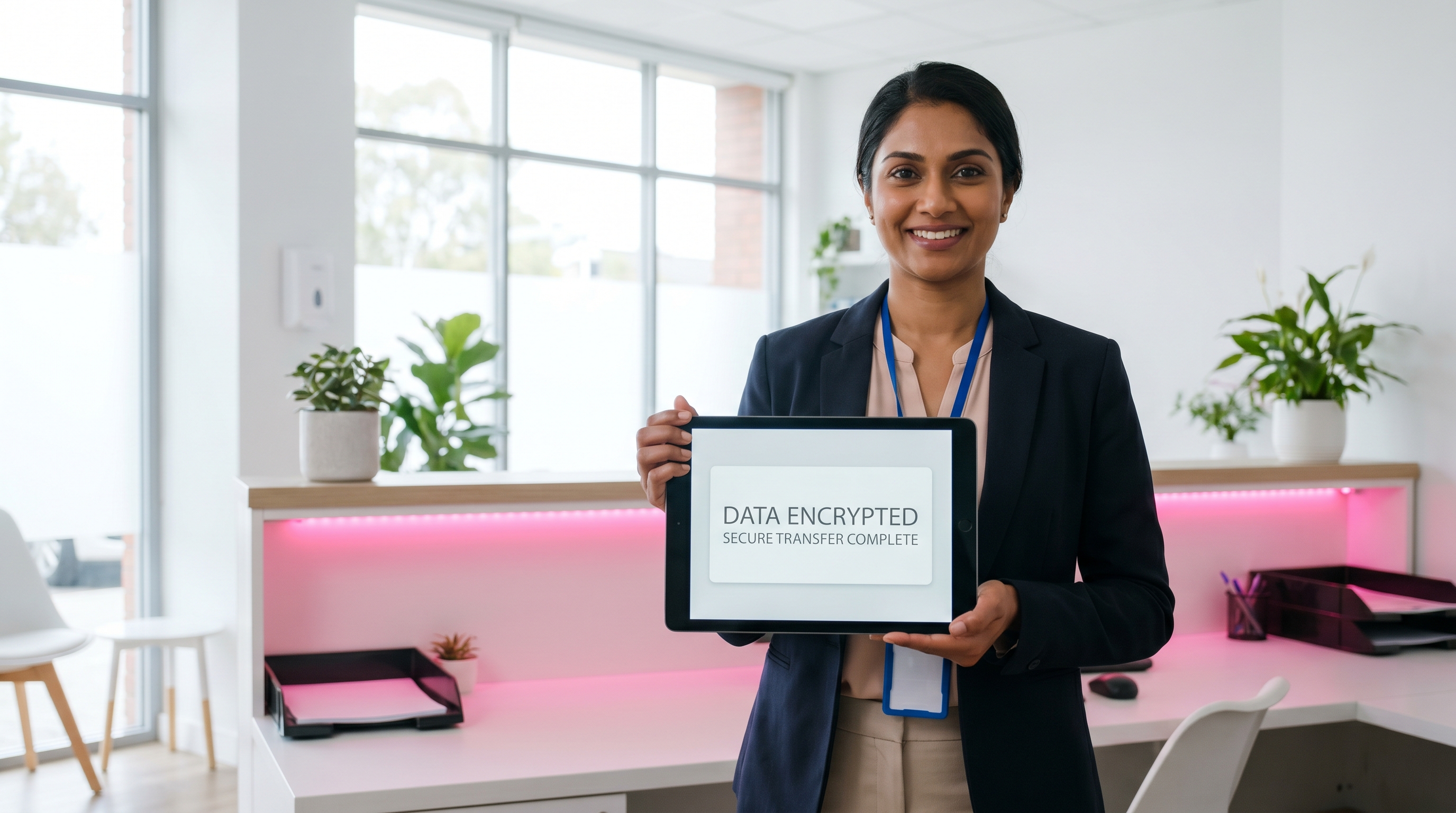
Automated, secure intake systems ensure that patient data is handled with total privacy.
4. How Specialized Automation Secures Patient Acquisition
Lamanify builds secure healthcare digital ecosystems using Lamanify Site for encrypted lead capture, LamaniChat for private patient communication, and LamaniHub for automated appointment scheduling. This integrated approach ensures Malaysian clinics maintain continuous compliance while scaling patient acquisition effectively and legally.
Achieving full regulatory alignment requires modernizing your clinic’s infrastructure with purpose-built healthcare automation software. Moving away from fragmented, insecure tools consolidates data management and drastically reduces compliance risks.
“Implementing secure digital infrastructure transforms patient data protection from a regulatory burden into a significant competitive advantage.” — Clinic Director of Digital Transformation
Deploying dedicated technology provides built-in security protocols that consumer software lacks. Key advantages of this integrated digital approach include:
- Deploying encrypted lead capture systems via specialized websites.
- Utilizing AI receptionists to handle patient inquiries privately and securely.
- Centralizing data safely with compliant appointment scheduling software.
Automating Consent with Smart Booking Portals
Digital intake processes must be both frictionless for the patient and impenetrable to unauthorized access. By automating consent collection at the point of booking, clinics eliminate the administrative burden of tracking paper forms.
Integrating these portals with the official medical advertising guidelines found on the KKLIU info portal ensures every promotion complies with national standards. Before-and-after promises displayed on these portals must always remain factual and clearly documented (Subject to KKLIU advertising guidelines).
Private AI Communications for Healthcare
Handling inbound patient inquiries efficiently requires scalable solutions that do not compromise privacy. Implementing a LamaniChat AI receptionist allows clinics to provide 24/7 responses while keeping personal health details within a closed, encrypted environment.
This technology ensures that sensitive conversations are never stored on public servers or personal devices. By following a structured clinic marketing guideline, your practice can leverage digital marketing for clinics to boost conversion rates safely.
- Conduct a comprehensive privacy audit on all current patient intake and lead generation forms.
- Implement mandatory explicit consent checkboxes on your clinic’s digital booking portal.
- Review and update contracts with third-party marketing agencies to include strict data processing agreements.
- Transition all patient communications from personal mobile devices to secure, centralized healthcare platforms.
- Publish a transparent privacy policy clearly explaining how medical data is utilized for operational and promotional purposes.
Conclusion
Navigating the complex landscape of data privacy does not mean sacrificing clinic growth or operational efficiency. By implementing secure digital infrastructure and strict consent protocols, your practice can build unshakeable patient trust and accelerate acquisition safely.
Achieving pdpa compliance for clinic marketing malaysia requires a proactive commitment to safeguarding sensitive medical information at every digital touchpoint. Transitioning to integrated healthcare software ensures your promotional efforts remain legally sound while driving sustainable revenue.
Ensure your practice meets all legal standards and builds patient trust by downloading our comprehensive MOH Compliance guidelines today.
Frequently Asked Questions
What is the penalty for non-compliance with the PDPA in Malaysia?
Under the Malaysian Personal Data Protection Act 2010, organizations found violating the General Code of Practice can face severe regulatory fines of up to MYR 100,000 and potential legal action.
Do Malaysian clinics need a designated data protection officer?
Yes, best practices dictate that medical facilities processing sensitive patient data should appoint a designated compliance officer to ensure marketing and operational activities align with the seven PDPA principles.
Can clinics use WhatsApp for promotional marketing messages?
Broadcasting promotional messages via personal WhatsApp accounts without documented, explicit patient consent violates data privacy regulations. Clinics must use secured, opt-in communication channels.
How does KKLIU differ from PDPA for clinic advertising?
While the PDPA governs the legal collection and protection of patient personal data, KKLIU is the regulatory framework requiring all medical advertising claims to be strictly accurate and substantiated.
Are patient consent forms required for all healthcare marketing?
Yes, explicit consent mechanisms must be integrated into all patient intake processes to legally use patient contact information for ongoing medical marketing or promotional communications.

Founder & Creative Director
Azri Omar
Azri is a seasoned digital marketer with over 10 years of experience in brand development and marketing strategies. Graduated with a Master's in Engineering (MEng.) from Sheffield, UK, Azri began his digital marketing journey during his studies, honing his skills in design, copywriting, and crafting impactful digital experiences. Today, he helps clients build professional and highly visible online presences, ensuring their brands thrive in a competitive digital landscape.