Quick Summary
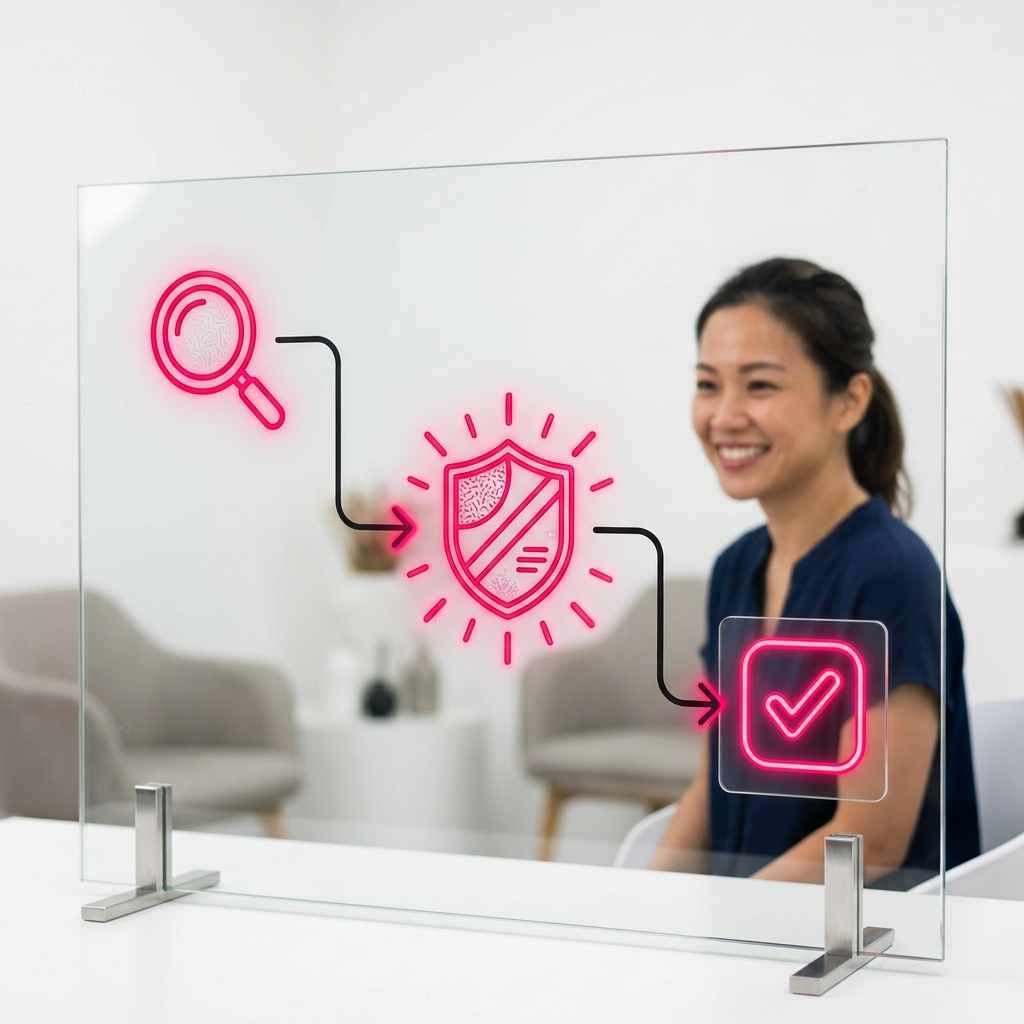
- Core Concept: The Patient Acquisition Compliance Framework balances aggressive digital growth with mandatory medical advertising regulations to generate predictable search-driven patient bookings.
- Key Stat: Malaysian healthcare searches convert at significantly higher rates when clinics utilize transparent scheduling mechanisms and clear, regulatory-approved medical claims.
- Recommendation: Integrate targeted search campaigns directly into an automated booking architecture to capture high-intent patients without overwhelming your clinical support staff.
To attract consistent patient footfall, you should prioritize specialized Google Ads for clinics in Malaysia campaigns rather than relying solely on organic discovery. This systematic approach ensures your medical practice appears exactly when prospective patients actively search for specific localized treatments, bypassing saturated social media feeds to capture high-intent inquiries immediately.
Navigating the commercial landscape of healthcare marketing means practice owners frequently struggle with wasted advertising spend and low appointment conversions. The underlying problem is rarely a lack of local demand, but rather a profound disconnect between patient search intent and the final booking experience at the front desk.
Beyond digital strategy, local practices face strict ethical oversight from the Ministry of Health Malaysia and the Malaysian Medical Council. Balancing necessary patient acquisition with mandatory regulatory guidelines demands a carefully structured, highly compliant advertising architecture that respects patient privacy under the PDPA.
Implementing a compliance-first patient acquisition framework transforms a basic pay-per-click campaign into a predictable growth engine. By aligning localized search strategies with automated appointment scheduling platforms, medical practices can consistently convert digital interest into confirmed consultations without violating ethical marketing boundaries.
1. Capturing High-Intent Medical Searches
Capturing high-intent medical searches requires targeting exact-match phrases that reflect immediate patient needs. By focusing on specific treatments and local identifiers, practices can intercept prospective patients precisely when they are actively seeking professional medical assistance in their immediate vicinity.
Understanding the fundamental differences between search intent and casual social media browsing is vital for clinic marketing. When users search for a “dental clinic near me” or specific aesthetic treatments, they are signaling an immediate need for care. By contrast, social media typically builds general brand awareness over a longer period. Targeting localized terms ensures you allocate budget exclusively toward highly relevant traffic that is ready to book an appointment.
Structuring a robust search campaign also requires fundamental alignment with standard web best practices. Ad copy should directly mirror an optimized site structure, as outlined in Google Search Central’s SEO Starter Guide, ensuring a seamless user experience from click to confirmation. For comprehensive visibility, complementing paid efforts with targeted Healthcare SEO services establishes a strong, long-term digital footprint.
- Differentiate between immediate medical needs and general healthcare curiosity to refine keyword selection.
- Focus budget allocation on highly specific treatment keywords rather than broad, competitive terms.
- Utilize localized geographic identifiers to capture neighborhood footfall efficiently.
| Marketing Strategy | Patient Intent Level | Primary Benefit for Clinics | Expected Time to Conversion |
|---|---|---|---|
| Targeted Search Ads | High (Active Search) | Captures immediate medical needs | Hours to Days |
| Social Media Ads | Low to Medium | Builds long-term brand awareness | Weeks to Months |
| Organic Healthcare SEO | High (Active Search) | Sustainable, cost-effective traffic | Months (Requires compounding effort) |
The Psychology of the Medical Search Query
Patients initiating a search query are often experiencing discomfort, anxiety, or an urgent desire for a specific aesthetic improvement. They want clarity, proximity, and professional reassurance. Medical search campaigns succeed when ad copy directly addresses these psychological drivers, offering clear solutions and immediate pathways to professional medical consultation.
Why Social Media Falls Short for Urgent Care Needs
While social platforms excel at community building, they interrupt users who are typically seeking entertainment rather than medical solutions. Relying heavily on social feeds for immediate patient acquisition often results in high impression counts but minimal actual bookings, inflating the overall cost per acquisition for local medical practices.
2. Navigating Medical Advertising Guidelines and Compliance
Medical advertising compliance strictly requires prior approval from the Medicine Advertisements Board for all therapeutic claims. Ensuring strict adherence to KKLIU regulations prevents costly regulatory penalties while simultaneously building essential trust with prospective patients seeking professional healthcare.
Operating a healthcare practice means strict adherence to regulatory standards that dictate exactly what can and cannot be claimed in digital marketing. Obtaining a KKLIU approval number is a factual, mandatory requirement for any medical claim; it is never optional. Whenever a practice details specific procedure pricing or promotes therapeutic efficacy (Subject to KKLIU advertising guidelines), the content must be substantiated and accurate.
Ethical practice extends beyond ad copy. Patient confidentiality and professional integrity must align with the Malaysian Medical Council guidelines on professional conduct. Transparent credentials and evidence-based information protect both the clinic’s license and the patient’s wellbeing. For detailed implementation steps on submitting compliant ad material, refer to our comprehensive KKLIU guideline.
“When KKLIU compliance fails on launch, the cost is 6-12 months of advertising downtime and severe reputational damage. Compliance isn’t a hurdle; it’s your primary trust signal.” — Healthcare Marketing Compliance Lead, Lamanify
- Understand the absolute necessity of obtaining a KKLIU approval number before launching campaigns.
- Avoid guarantees, superlative language, and unverified therapeutic outcomes in all ad copy.
- Maintain complete transparency regarding medical credentials and practice capabilities.
The Core Pillars of KKLIU Compliance
The Medicine Advertisements Board prioritizes patient safety by strictly prohibiting misleading statements. Medical advertisements must remain objective, educational, and professionally phrased. Using sensationalized language, absolute cure claims, or fear-based marketing tactics will result in immediate rejection and potential operational fines.
Protecting Patient Trust through Ethical Marketing
Ethical marketing does more than satisfy regulators; it establishes a baseline of trust with anxious prospective patients. Clear, factual communication reassures patients that they are engaging with a credible, professional healthcare institution dedicated to evidence-based medical treatments.
3. Cost Expectations and Budgeting for Growth
Determining an appropriate daily advertising budget depends heavily on your medical specialty, geographic location, and local market competition. While initial costs vary, continuous campaign optimization and careful keyword selection ensure consistent cost per acquisition for sustainable clinic growth over time.
Financial predictability is critical when determining the scope and scale of your digital patient acquisition strategy. Practices must understand realistic minimum daily budgets to avoid spreading ad spend too thin across multiple campaigns. Specialized fields, such as aesthetic clinic advertising or dental clinic marketing, typically experience higher costs per click due to intense competition and higher patient lifetime value.
Rather than fixating solely on the cost per click, successful practice managers track closed consultations to measure true return on investment. Assessing how much a confirmed booking costs is the only metric that directly correlates to clinical profitability. We highly recommend scheduling a clinic growth audit to benchmark your current ad spending against regional industry standards.
- Analyze local competitor spending to establish realistic baseline budgets.
- Calculate maximum viable cost per acquisition based on average patient lifetime value.
- Start with tightly controlled local campaigns before expanding your geographic reach.
Variables Influencing Cost Per Click
Click costs fluctuate based on several factors, including the time of day, proximity to dense urban centers, and keyword specificity. Bidding on a broad term like “doctor” will consume budget rapidly with poor conversion, whereas a highly specific long-tail keyword like “root canal specialist Petaling Jaya” yields a higher conversion rate despite a potentially higher click cost.
Measuring True Return on Investment Beyond Clicks
A campaign generating hundreds of clicks but zero bookings is fundamentally flawed. True return on investment is measured by tracking the full patient journey—from the initial search impression to the patient physically arriving at the reception desk for their scheduled treatment.
4. Building a High-Converting Campaign Architecture
A high-converting campaign architecture seamlessly integrates targeted search phrases with precise ad extensions. Connecting these carefully crafted advertisements to specialized landing pages ensures prospective patients receive exactly the information they requested, maximizing the likelihood of a completed consultation booking.
Structuring an effective search campaign relies entirely on the technical configuration of ad groups. Organizing ad groups tightly around specific medical treatments allows for highly relevant ad copy. Furthermore, implementing location and call extensions properly enhances local visibility, provided the details strictly match your Google Business Profile guidelines to maintain accurate representation.
The final click is only the midpoint of the conversion journey; the destination matters immensely. Landing page quality directly influences your overall advertising costs and performance metrics. Developing people-first content, as defined by Google Search Central’s helpful content guidelines, ensures that the page satisfies the user’s intent with clear, readable, and medically accurate information.
“A well-structured campaign without an optimized landing page is like having a brilliant reception sign but a locked front door. Both must work in perfect harmony to secure the booking.” — Digital Healthcare Strategist, Lamanify
- Structure ad groups tightly around highly specific medical treatments or services.
- Implement location, sitelink, and call extensions to maximize search visibility.
- Ensure landing pages directly mirror the promise made in the initial advertisement.
Structuring Ad Groups by Treatment Type
Granular ad group structure prevents generic messaging. If a prospective patient searches for pediatric vaccination schedules, they should see an ad specific to pediatric care, not a generic clinic homepage. This alignment improves the ad relevance score, which in turn lowers the cost per click over time.
The Role of Accurate Google Business Profile Data
Search engines verify the legitimacy of your local ads by cross-referencing them against your core business listings. Inconsistent operating hours, mismatched contact numbers, or outdated address details can severely penalize your campaign’s delivery rate and confuse prospective patients navigating to your physical practice.
5. Automating the Patient Booking Journey
Automating the patient booking journey eliminates critical front-desk bottlenecks and captures immediate interest. Integrating specialized chat platforms ensures rapid responses to medical inquiries, securing appointment confirmations instantly without increasing the administrative burden on your clinical support staff during peak hours.
Generating targeted traffic is only half the battle; converting that digital interest into actual clinic visits requires seamless operational execution. Manual booking processes often cause high drop-off rates for paid traffic, as patients searching after hours or during busy periods abandon the process if they cannot secure an immediate slot. Integrating the LamaniHub appointment system provides a robust, round-the-clock solution to capture leads reliably.
To handle routine administrative inquiries seamlessly, deploying a LamaniChat AI receptionist ensures every patient receives immediate, standardized information. As these systems process sensitive medical inquiries, it is critical that all automated data collection protocols rigorously comply with the Personal Data Protection Act to secure patient confidentiality.
- Deploy self-serve appointment scheduling to capture after-hours patient inquiries.
- Utilize conversational artificial intelligence to filter routine administrative questions.
- Ensure all automated data collection protocols strictly follow local privacy frameworks.
Solving the Front-Desk Administrative Bottleneck
Clinical support staff are often overwhelmed with in-clinic patient care, leaving phone lines engaged and web inquiries unanswered. Automation acts as a digital triage system, capturing high-intent search traffic and booking them directly into the clinic’s calendar, allowing human staff to focus exclusively on complex patient needs.
Maintaining Data Privacy in Automated Systems
Strict adherence to data privacy laws ensures that patient information collected through digital landing pages remains secure. Implementing PDPA-compliant scheduling tools prevents costly regulatory breaches and reassures patients that their personal medical data is handled with the highest standard of professional care.
- Verify all proposed ad copy claims align strictly with regulatory guidelines before launching.
- Implement local search extensions highlighting your accurate clinic location and operating hours.
- Configure budget caps based on competitive medical keyword costs in your specific geographic region.
- Connect ad landing pages directly to an automated appointment scheduling tool to reduce drop-off.
- Ensure landing page data collection complies fully with the Personal Data Protection Act requirements.
Conclusion
Mastering digital patient acquisition requires balancing aggressive visibility with strict regulatory adherence. By structuring compliant search campaigns, optimizing local geographic targeting, and automating the final scheduling step, practices can transform unpredictable inquiry volumes into a reliable flow of confirmed consultations.
Deploying specialized Google Ads for clinics in Malaysia ensures that your medical practice remains the top choice for actively searching patients in your vicinity. Through careful keyword selection, strict compliance with KKLIU guidelines, and the integration of seamless booking technology, clinic owners can establish a sustainable, long-term growth architecture.
Stop wasting budget on clicks that don’t convert; scale your patient bookings compliantly by exploring our specialized Google Ads services designed exclusively for Malaysian clinics.
Frequently Asked Questions
How much does it cost to advertise a medical practice on search engines?
Advertising costs depend heavily on your specific medical specialty and geographic location. Careful keyword selection and continuous campaign optimization help establish a sustainable cost per acquisition.
What makes a medical advertisement compliant with local regulations?
Compliant medical advertisements must contain accurate, substantiated claims that have received explicit prior approval from the Medicine Advertisements Board to protect patient interests.
How do search campaigns differ from social media marketing for healthcare?
Search campaigns capture high-intent patients who are actively looking for immediate medical treatments, whereas social media typically builds general brand awareness over a longer period.
Can automating appointment scheduling improve my return on investment?
Yes. Automating the scheduling process allows immediate capture of high-intent traffic without increasing the administrative workload on your clinical support staff.
Why is patient data privacy critical in digital healthcare marketing?
Strict adherence to data privacy laws ensures that patient information collected through landing pages remains secure, preventing costly regulatory penalties and building trust.

Founder & Creative Director
Azri Omar
Azri is a seasoned digital marketer with over 10 years of experience in brand development and marketing strategies. Graduated with a Master's in Engineering (MEng.) from Sheffield, UK, Azri began his digital marketing journey during his studies, honing his skills in design, copywriting, and crafting impactful digital experiences. Today, he helps clients build professional and highly visible online presences, ensuring their brands thrive in a competitive digital landscape.